Crooked teeth are common, and so is the hesitation that comes before starting orthodontic treatment. People worry about pain, cost, visibility, and time. They also wonder if the result will last. As someone who has guided hundreds of patients from their first consultation to their retainer fitting, I can tell you that straightening teeth is both science and habit. Braces work best when the plan is tailored to your bite, your bone, and your daily routine. A good orthodontist or general dentist with orthodontic training will make the path clear, honest, and manageable.

This guide sets the stage for what to expect from orthodontic braces, the choices you have, and how to prepare for a smooth, healthy process. It also weaves in the wider picture: how teeth cleaning and gum health affect bracket bonding, when fillings or tooth extraction improve outcomes, and the role of a dental hygienist and myofunctional therapy in long-term stability. If you live in a community with strong dental services, such as a well-reviewed dental clinic in London, Ontario, you will find that coordination between dentists, a cosmetic dentist, and an orthodontic provider shortens timelines and reduces surprises.

What braces can and cannot fix
Braces apply gentle, continuous pressure that nudges teeth through bone. That pressure remodels the bone and moves teeth into healthier positions. They are excellent at correcting crowding, closing gaps, rotating teeth, uprighting tipped molars, and coordinating the arches so your top and bottom teeth meet efficiently. They also help with bite issues like overbites, underbites, crossbites, and open bites.
There are limits. If the upper jaw is too narrow relative to the lower jaw, an expander may be needed before braces. If the lower jaw is positioned too far back or forward in a growing child, functional appliances or growth guidance can help, but for an adult with a severe skeletal discrepancy, orthodontic braces alone may not deliver a perfect bite. In those cases, braces combined with jaw surgery can dramatically improve function and facial balance. A skilled dentist or orthodontist will explain whether your concerns are primarily dental, primarily skeletal, or a bit of both.
Who is a good candidate for braces
Most healthy mouths qualify. Children often start evaluation around age 7, long before braces go on. At that stage, the dentist is looking for jaw growth patterns, airway issues, and habits like thumb sucking or tongue thrusting. Early guidance can make the later phase shorter and gentler. Teens are classic candidates because most or all adult teeth have erupted and jaws are still responsive to guidance. Adults increasingly seek orthodontic treatment too, sometimes to correct long-standing crowding, sometimes to prepare for restorative work like dental implants or porcelain veneers.
Gum health matters. If you have untreated gum disease, orthodontic forces can worsen bone loss. The dental hygienist’s role becomes critical before and during treatment to ensure stable gums. Existing decay needs fillings first. If a tooth https://andrehemo790.bearsfanteamshop.com/teeth-cleaning-guide-how-often-and-why-it-matters is severely infected, a root canal may be required before braces, not after. When missing teeth leave large gaps, your orthodontist may coordinate with a dental implants periodontist if an implant is planned at the end of treatment. Good candidates understand that braces work on a timeline and that daily habits move the dial toward success or setback.
Types of braces and what living with them feels like
Metal braces remain the workhorse for reliability and cost effectiveness. They are small, lower profile than the brackets you might remember from school photos in the 1990s, and they pair with heat-activated wires that deliver gentle, steady force. Ceramic or clear braces blend with tooth color and appeal to adults who value subtlety. They can be slightly more brittle, so dietary care is important. Lingual braces sit on the tongue side of the teeth, invisible from the front but trickier to clean and maintain; they suit highly motivated adults. Clear aligners are not braces, but many people ask about them in the same breath. Aligners excel at mild to moderate crowding and spacing when worn 20 to 22 hours per day. Complex rotations, vertical changes, and significant bite corrections usually respond more predictably to fixed braces.
The first week in braces feels like new shoes that rub in the wrong spots. Expect soreness when chewing, minor irritation on lips or cheeks, and a sense of pressure. Orthodontic wax becomes your friend. After each adjustment, tenderness returns for a day or two, then fades. Patients often tell me that the anticipation was worse than the reality. By week two, the hardware feels like part of you, and by month two you notice spaces closing and teeth aligning in photos.
The first appointment and the roadmap ahead
A thorough orthodontic workup looks beyond the front six teeth. It includes digital panoramic and cephalometric radiographs to assess roots, bone levels, and jaw relationships, intraoral photographs, and a 3D scan or impressions for models. If you clench or grind, we will look for wear facets and muscle tenderness. If you mouth breathe or snore, airway screening matters; sometimes myofunctional therapy supports better tongue posture and nasal breathing, which helps maintain arch width and prevents relapse.
Next comes a treatment plan that lays out phases, estimated time, and choices. Some plans call for interproximal reduction, a careful smoothing between teeth to create tenths of a millimeter of space. Others benefit from early tooth extraction, usually premolars, to resolve severe crowding or protrusion. This is a careful judgment call that weighs facial balance, lip support, and periodontal health. Many modern cases avoid extractions by using slender wires and light forces early, then elastics to coordinate the bite. When a patient is missing a tooth and plans a dental implant, we leave the right amount of space with straight, parallel roots for the implant surgeon. An implant is best placed after braces come off, since implants do not move with orthodontic forces.
How long treatment takes, and what speeds it up or slows it down
For mild cases, 8 to 12 months is realistic. Moderate crowding and bite issues often take 18 to 24 months. Severe cases, or those combined with jaw surgery, can take 24 to 30 months. These ranges reflect biology, not just wire schedules. Bone remodels at its own pace, and we never win by rushing with heavy forces.
If you wear elastics as instructed, keep brackets intact, and attend every appointment, the timeline holds. If multiple brackets break, or if we lose months to missed visits, treatment stretches. Gum inflammation also slows tooth movement because inflamed tissue is biologically busy. It is not unusual to shorten overall time by two to three months just by keeping gums impeccably healthy and avoiding emergencies.
Daily life with orthodontic braces
You will learn a new brushing choreography on day one. The brush angle changes to sweep under the wire. A water flosser helps, but it does not replace flossing with a threader or superfloss. Your dental hygienist becomes an ally; schedule teeth cleaning every three to four months rather than six during active treatment, especially if you are prone to plaque. White spot lesions around brackets come from poor hygiene, not the brackets themselves. They look like chalky halos and can be permanent. Good technique prevents them.
Dietary adjustments prevent broken brackets. Skip hard nuts, ice, and sticky caramels. Slice apples instead of biting into them. If you chip a ceramic bracket, it is not an emergency dentist situation unless a wire is poking, but call your dental clinic to schedule a repair so the tooth stays on track. Orthodontic wax covers sharp edges until we see you.
Speech adapts quickly, even with lingual braces. If you play a wind instrument, ask for soft silicone lip guards for rehearsals in the first weeks. Athletes should wear a mouthguard. We can make one that fits over braces without shifting teeth.
Managing soreness, emergencies, and expectations
Soreness peaks 24 to 48 hours after an adjustment. Over-the-counter pain relief, a soft diet, and saltwater rinses carry you through. If a wire slides and pokes the cheek, use wax and call the office; many practices reserve same-week times for quick snips. If a bracket comes loose but stays on the wire, it can usually wait a few days. If a wire is fully out or a space is reopening quickly, request an emergency dental service slot. For families in mid-sized cities, offices that list emergency dentist London or emergency dentist London, Ontario often have same-day capacity. Use that option for true discomfort, swelling, or bleeding, not for routine issues.
Expect tiny setbacks. A rotated canine can be stubborn, a molar may drift slower than its neighbor, or a lower incisor tips and needs re-leveling late in treatment. None of that signals failure. It is the art of orthodontics to make incremental adjustments while protecting roots and bone.
Coordinating orthodontics with other dental services
Orthodontics is rarely an island. If you have cavities, we place fillings before braces. If a tooth has deep decay near the nerve, a root canal preserves it, and we wait for stability before bonding a bracket. If a wisdom tooth is causing pressure or infection, a tooth extraction may be advised before or during treatment, depending on timing and risk. Your dentist and orthodontist should communicate so appointments line up and you avoid redundant X-rays.
Cosmetic dentistry sometimes follows braces. Imagine spacing and alignment perfected, then subtle shape harmony finished with porcelain veneers on the front teeth. Veneers require stable positions and healthy enamel, so we avoid aggressive enamel reduction in most orthodontic cases. If you are planning veneers or bonding, tell your orthodontist early so bracket placement and finishing moves reflect the final aesthetic.
The same goes for replacing missing teeth. Dental implants need the right space and bone volume. An orthodontist coordinates space, a dental implants periodontist manages bone grafting if needed, and the restorative dentist designs the crown. In communities with established networks, such as a dental clinic London or dentists London, Ontario, patients often benefit from shared records and smoother handoffs.
Teeth whitening pairs well with the end of treatment. Whitening gel cannot reach enamel covered by brackets, so we either whiten before braces go on or immediately after they come off. For patients interested in teeth whitening London or teeth whitening London, Ontario, the best timing is two to four weeks post-debond, once minor sensitivity from adhesive removal settles. A cosmetic dentist may recommend whitening first, then conservative bonding to tweak edges.
The role of myofunctional therapy and airway in long-term stability
Relapse is not just about forgetting a retainer. It can be driven by muscle patterns. A low resting tongue, mouth breathing, or a tongue thrust swallow can narrow the upper arch and reopen spaces or collapse alignment over time. Myofunctional therapy retrains tongue posture, nasal breathing, and swallow patterns using daily exercises guided by a trained provider. In children, this can improve arch development. In teens and adults, it can support the retention phase and reduce the risk of relapse. Pairing light orthodontic guidance with improved airway and tongue posture often yields more stable results.
What retainers do and how to wear them without hating them
Think of braces as moving tents around a campsite and retainers as the stakes that hold them while the ground sets. Collagen fibers around teeth have elastic memory. They need months to reorganize in the new position. Most patients wear retainers full time for several months, then nights only. Fixed retainers, thin wires bonded behind front teeth, are popular for lower incisors because they resist the late crowding that creeps up in the thirties and forties.
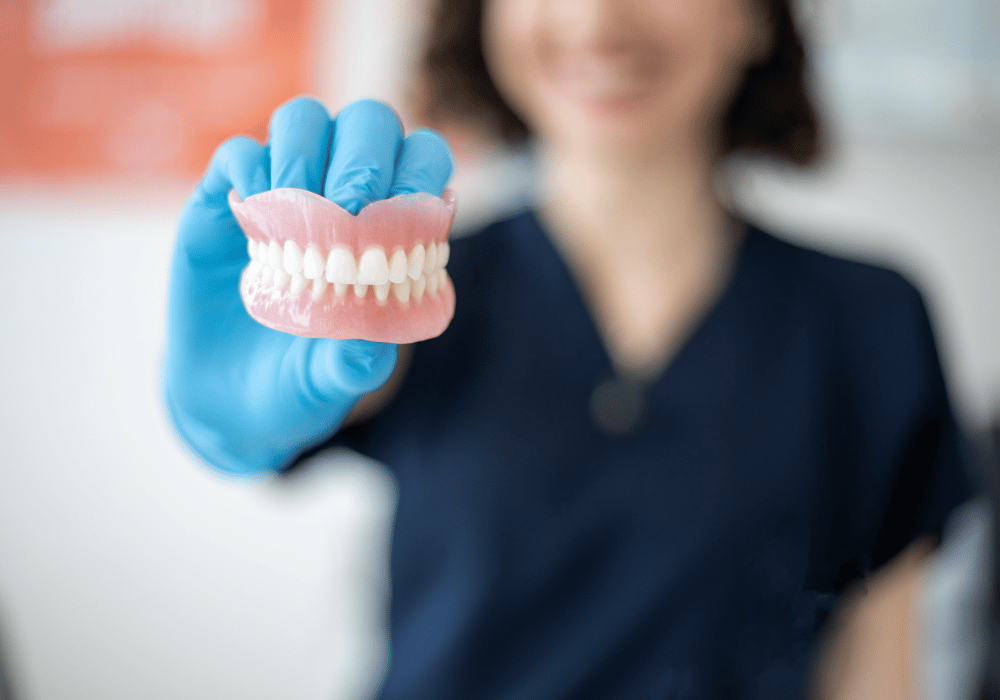
If you choose a removable retainer and miss a few nights, you will feel it tighten the next time you wear it. That is your early warning. Do not push through if it is painfully tight; call the office before warping it. If you lose a retainer, replace it fast. Waiting three months often means partial relapse and a frustrating refit. This is one of those habits that pay dividends: consistent retainer wear saves you time and money for decades.
Cost, insurance, and financing without surprises
Costs vary by region and complexity. For a straightforward case, fees might run in the low to mid thousands; complex adult cases with extended time and advanced appliances cost more. Many dental clinics offer monthly payment plans with no interest over the active treatment period. Dental insurance may cover a portion of orthodontic braces, particularly for dependents, with lifetime maximums that range widely. Ask for a written breakdown that lists the total fee, what is due at banding, monthly payments, and what happens if treatment extends beyond the estimate.
If you live in or near London, Ontario, look for transparent practices with itemized quotes and clear policies on emergencies, missed appointments, and what is included at the end, such as two sets of retainers. Search terms like dentist London Ontario, dental clinic London, or dentists London Ontario can help you identify providers. If you need rapid care for a broken appliance, clinics that advertise emergency dentist London Ontario or emergency dentist London are often well equipped to triage and stabilize you, then coordinate with your orthodontist.
Preparing for braces: a practical checklist
- Book a comprehensive dental exam and teeth cleaning before brackets go on, fix any cavities, and address gum inflammation with your dental hygienist. Ask your orthodontic provider about extraction or non-extraction plans, elastics, and expected treatment length; get it in writing. Pick up orthodontic wax, a proxy brush, superfloss or floss threaders, a travel toothbrush, and over-the-counter pain relief. Plan meals for the first 48 hours: soups, smoothies, yogurt, scrambled eggs, mashed vegetables, and soft fruits. Schedule follow-ups on a consistent day and time so you rarely miss an adjustment.
Special situations: dentures, implants, and mixed dentitions
Orthodontics still matters when prosthetics are in the picture. For patients who wear partial dentures, braces can align abutment teeth to improve denture stability. With complete dentures, traditional orthodontics does not apply, but pre-prosthetic orthodontics can be part of a plan if you are transitioning from a failing dentition to dental implants that will anchor an implant-supported denture. In those cases, the sequence is precise: stabilize teeth or extract strategically, align remaining segments to optimize bone preservation, then coordinate with a dental implants periodontist for implant placement. If you are in a market with trusted implant providers, dental implants London or dental implants London Ontario searches can surface teams used to this level of coordination.
For children in mixed dentition, we sometimes use short phases of orthodontic braces to correct crossbites or severe crowding that risks damaging erupting teeth. Early intervention can reduce the need for extractions later. We balance this against orthodontic burnout in kids. A focused early phase followed by a rest period and a later comprehensive phase usually fares better than a multi-year marathon.
Cosmetic considerations during and after braces
Some patients want a near-invisible path. Clear braces paired with tooth-colored wires help, but they still reflect light. If you are on camera often, ask about ceramic brackets and conservative photo retouching techniques rather than removing appliances for events. For the final aesthetic polish, many adults combine orthodontics with conservative cosmetic dentistry. Minor edge bonding fills in chips, while porcelain veneers correct size discrepancies or deep discolorations that whitening cannot lift. A cosmetic dentist will consider your bite forces, parafunctional habits, and retainer plan before recommending veneers to avoid chipping and debonding.
Teeth whitening fits naturally at the end. For uniform results, use custom trays with safe concentrations of carbamide or hydrogen peroxide. Over-the-counter strips can work, but custom trays adapt to your new alignment and reduce streaking. If you had white spot lesions from earlier years, modern resin infiltration can reduce contrast and improve appearance without drilling.
Oral health during braces: preventing the pitfalls
Plaque control is the heartbeat of successful treatment. I have seen patients sail through 18 months of orthodontic braces without a single decalcified spot, and others develop halos around half their brackets in six weeks. The difference is habit and coaching. Brush twice daily for two minutes, then spend an extra minute targeting bracket margins and the gumline. Floss nightly. If you are high risk for decay, your dentist may prescribe a fluoride toothpaste or a weekly fluoride rinse.
Do not ignore bleeding gums. That is gingivitis asking for attention. A quick calibration with your dental hygienist, a short-term antimicrobial rinse when indicated, and methodical home care turn things around in days. Gum health also supports faster, safer tooth movement. Inflamed gums are fragile; healthy gums glide with you.
A few realities from the chair
Every case has a moment that feels stuck. A stubborn canine refuses to derotate, or a molar resists intrusion, and the wire sequence pauses. The solution is rarely forceful. Often it is a lighter wire, a different bracket prescription, or a new elastic vector. Good orthodontists are patient tinkerers who respect biology. Trust the process, ask questions, and stay engaged.
Photos document subtle wins. At the six-week mark, most people do not see big changes in the mirror because the brain normalizes faces. Side-by-side photos tell a different story. Rotations reduce, midlines align, dark triangles close. Take a quick selfie series against a plain wall under the same light. You will see progress the mirror hides.
Lastly, straight teeth feel different. Food clears more easily, floss glides, and your bite finds home with less searching. That comfort is not vanity. It is functional health. Chewing efficiency improves, cleaning becomes simpler, and uneven wear slows. For many, that is the quiet payoff that outlasts the Instagram smile.
When to seek care and how to choose the right provider
If you are ready to explore braces, start with a comprehensive exam at a reputable practice. Whether you see a general dentist who offers orthodontic services or a dedicated orthodontist, look for three things: a clear diagnostic workup, a plan that explains options and trade-offs, and a communication style that invites questions. Offices that collaborate with a network of dentists, hygienists, and specialists tend to manage complex needs smoothly. If you are near London, Ontario, search terms like Dentist London, Dental clinic London, Cosmetic dentistry London Ontario, or Dental implants London Ontario can help you identify clinics that coordinate care across services. Read reviews for details about punctuality, clarity on fees, and how the team handles repairs and emergencies.
For true emergencies like facial swelling, uncontrolled bleeding after a tooth extraction, or severe pain, contact an emergency dental service right away. For non-urgent orthodontic hiccups like a loose bracket or mild soreness, call your clinic for guidance and the next available adjustment.
The bottom line
Braces are a partnership between precision hardware and everyday behavior. The science is solid, but your habits write the fine print. Keep gums healthy, protect your brackets, wear your elastics, and guard your hard-won alignment with retainers. Ask for help when something feels off. If you align orthodontics with broader dental care, from routine teeth cleaning to planned restorations and, when appropriate, myofunctional therapy, you not only straighten teeth but build a mouth that is easier to maintain for the long haul.
Whether your path includes simple metal brackets, ceramic options, or coordination with cosmetic dentistry, the steps are manageable and the results are durable. Choose a team that explains the why behind each choice. The more you understand the process, the smoother it goes and the better it feels to smile at every milestone along the way.